
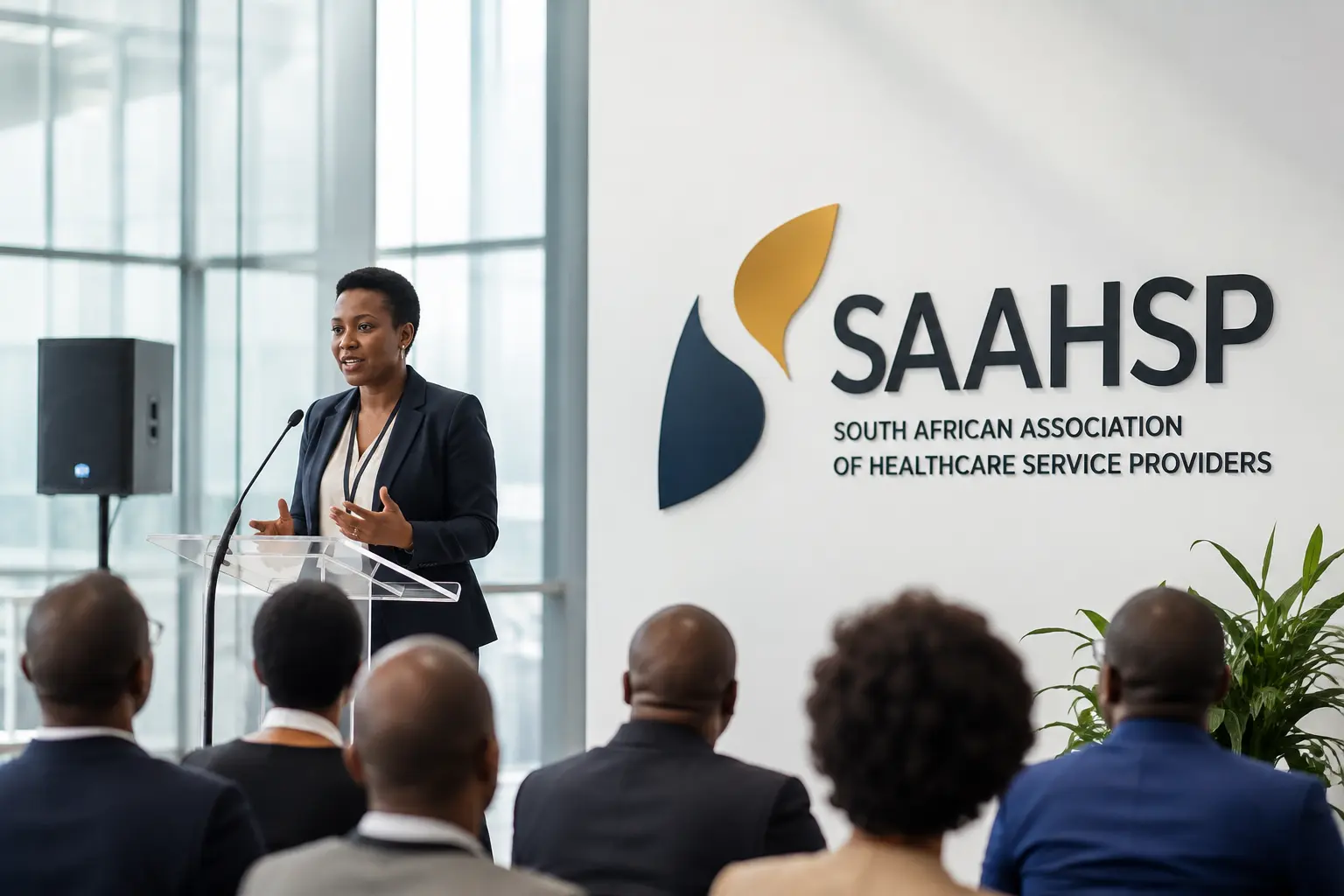
The future of South Africa’s beauty, aesthetics, spa, wellness and somatology industry was discussed at the sixth annual South African Association of Health and Skincare Professionals (SAAHSP) Industry Indaba, where delegates considered the impact of proposed changes to regulation and qualifications, as well as the need to align training and business practices.
The 2026 SAAHSP Industry Indaba, held at Thaba Eco Hotel near Johannesburg over two days, focused on regulation, professional recognition, training and sustainability issues for practitioners and business owners. The event gave practitioners, business owners, training providers, professional bodies and government officials a forum to air views on the sector, which includes a wide range of services from beauty treatments and fitness to holistic healing.
Industry stakeholders identified the need to consider the impact of proposed regulatory changes on qualifications, as well as the need to ensure that business and training practices support practitioners and learners.
Services SETA administrator shares views on proposed regulation
Services SETA Administrator Lehlogonolo Masoga delivered the keynote address at the SAAHSP Industry Indaba, focusing on the role of the SETA in the development of the sector.
Speaking on the theme of professional recognition, Masoga noted that the sector’s contribution to skills development, care, wellbeing and entrepreneurship is often overlooked, saying, “Too often, the beauty, aesthetics, spa, wellness and somatology sector is dismissed as being concerned only with appearance.”
Masoga also responded to questions about the regulatory environment, saying that he believed that several stakeholders would need to collaborate in order to develop effective regulation and qualifications.
According to the notes provided to delegates, the stakeholders who would need to participate in developing revised regulation and qualifications include the Department of Health, Allied Health Professions Council of South Africa (AHPCSA), Department of Higher Education and Training, South African Qualifications Authority (SAQA), Quality Council for Trades and Occupations (QCTO), Services SETA, professional bodies, training providers, employers and practitioners.
Over 500 learners to benefit from SETA-accredited RPL initiative
Services SETA and SAAHSP collaboration on the Recognition of Prior Learning (RPL) initiative was also highlighted at the Indaba, with the value of the initiative for learners and employers acknowledged by delegates.
According to the information provided to the delegates, over 500 learners have so far benefitted from the RPL intervention which is linked to the Occupational Certificate: Beauty Therapist.
Since many skills in the sector are often acquired informally through experience, this can create barriers to formal qualification and career progression for some workers.
RPL assessments provide a way of recognising the skills that people have acquired through their informal experience, providing a pathway to formal occupational qualifications.
Therefore, the RPL initiative fits in with the theme of professional recognition for the 2026 SAAHSP Industry Indaba.
Support for businesses in the sector, including cooperatives
The support provided by Services SETA for businesses in the sector – both established entities and new start-ups – was also acknowledged at the Indaba. Information provided to the delegates at the event noted that 150 participants had accessed support services for SMME and cooperative development.
It also revealed that there were plans to develop start-up toolkits to support businesses accessing the Services SETA initiatives. As exciting as this development is for the sector, it is important for stakeholders to wait for more information on the eligibility criteria and availability dates for these toolkits, as the announcement does not confirm that the sets are available to prospective applicants at this time.
Why skills development matters to the sector
From the perspective of the delegates, the need to address skills development issues affecting the sector is a matter of priority for a number of reasons.
For example, employers in the sector know that a shortage of appropriately skilled and certified staff can negatively impact on service delivery. At the same time, training providers understand the need to offer qualifications and skills programmes that are aligned to the sector’s development needs, as well as to the national skills-development framework.
Finally, for individual practitioners, skills development and recognition are important factors in terms of career progression.
A call for greater collaboration on sector issues
One of the messages that emerged from the Indaba is that the stakeholders who contribute to the development of the sector, including government, SETAs, professional bodies, training providers, employers, and individual practitioners, need to collaborate if they hope to achieve positive results.
In particular, it was acknowledged that sector regulation and development issues cannot be handled by any one organisation in isolation. This message seems particularly pertinent given the concerns raised by delegates about the need for greater sector recognition, as well as the impact of proposed changes to qualifications and regulation.
The Industry Indaba concluded with stakeholders pledging greater cooperation in their efforts to drive the development of the sector.
What this means for practitioners and students
For individual practitioners, the debates around skills development illustrate the importance of keeping up to date with developments in the sector.
At a time when the qualifications and regulatory requirements for certain roles are likely to evolve, it is important for students and practicing beauticians, wellness therapists, estheticians, and related professionals to check the requirements for their chosen field before pursuing their studies or advancing their careers.
It is also important for current or prospective students to research the accreditation and other requirements for any qualification that they are considering.
Similarly, those who are contemplating applying for the RPL assessments or business-development support services should contact the relevant organisations to confirm the eligibility requirements, the supporting documentation that they will need to provide, and any fees that may be due.
Source
Source: Information supplied regarding the 2026 SAAHSP Industry Indaba, held at Thaba Eco Hotel, Johannesburg, including the Services SETA address, industry discussions, and Services SETA-SAAHSP partnership developments.
The article has been independently written from the information supplied. No other eligibility, funding, application dates, or regulatory decisions have been added where this information has not been confirmed in the source material.
Our editorial policy
Our editorial policy is to provide independent South African education, skills, and careers reporting that is factual, transparent and beneficial to the reader.
We take care to distinguish between confirmed developments and proposed changes, and do not present future regulatory changes or programme requirements as if they have already taken place.
Where funding, application dates, and eligibility requirements have not been confirmed by a reliable source, we advise readers to check directly with the relevant organisation.
Disclaimer and awareness
This article exists for the informative purposes of the reader. It is not an official announcement of a new bursary, learnership, qualification, or regulatory development.
The proposed regulatory developments discussed at the Indaba do not constitute an official directive and readers are encouraged to contact the appropriate authority regarding any proposed changes that they believe may affect their studies or career.
Scam awareness: Readers are warned against contacting any unverified entity offering training, RPL assessments, or business-development services that request payment or personal information in exchange for their services.
