
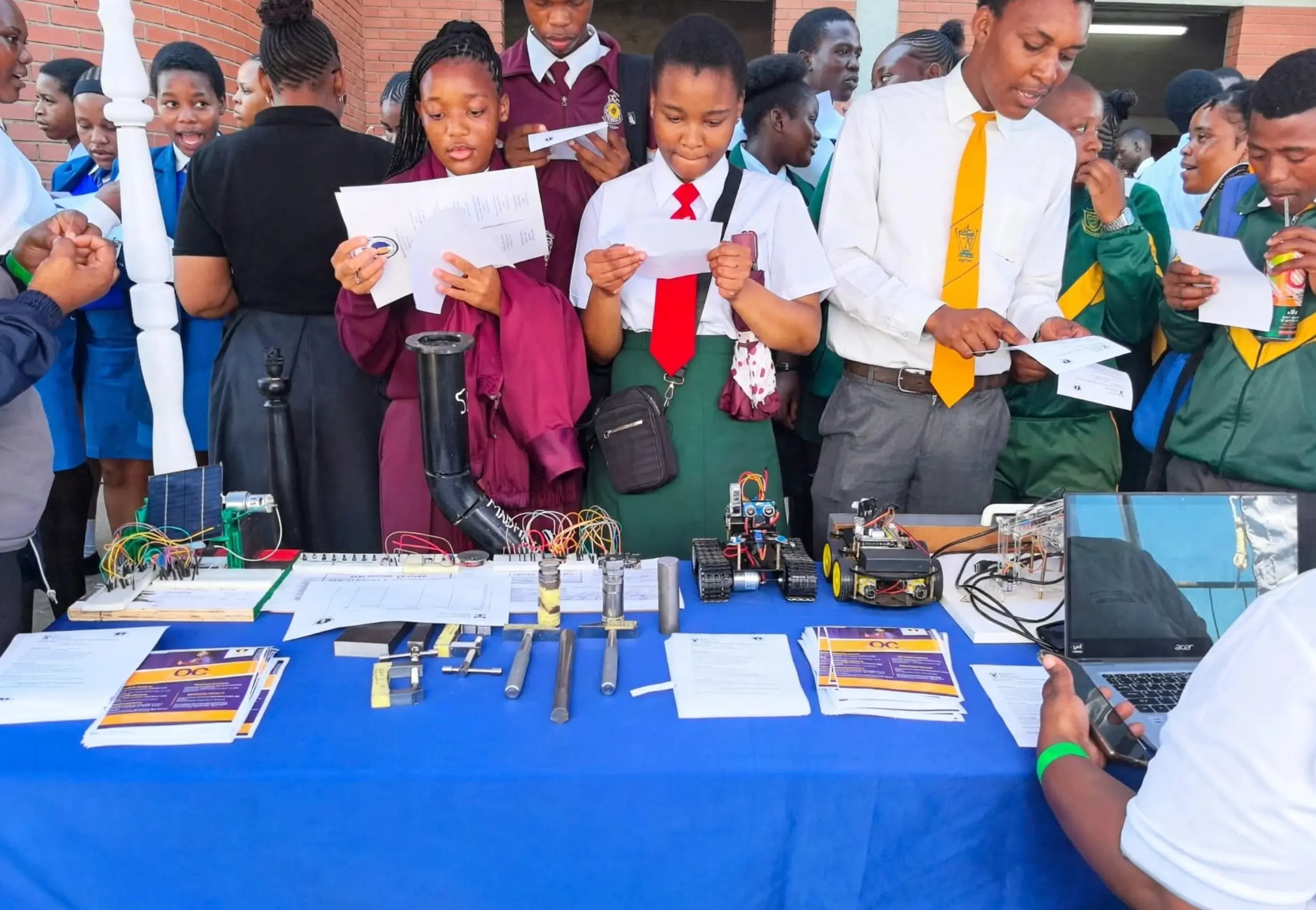
South African students do not have to wait until graduation to start developing the skills employers are looking for. There are several free skills development opportunities that can help young people gain practical experience, improve their qualifications and prepare for employment.
From SETA-funded learnerships and youth employment programmes to free online digital courses, these opportunities provide different ways to develop workplace skills without necessarily paying tuition fees.
Some programmes combine accredited training with workplace experience, while others allow students to learn online at their own pace and earn certificates or digital badges.
For students who want to improve their employment prospects, knowing where to find these opportunities is an important first step.
1. SETA-Funded Learnerships and Skills Programmes
Sector Education and Training Authorities (SETAs) support skills development across different industries in South Africa.
Their programmes include learnerships, apprenticeships, internships and occupational skills training. Some opportunities are funded through employers and accredited training providers that recruit unemployed young people.
How SETA Learnerships Work
A learnership combines theoretical learning with practical workplace experience. Participants work towards an occupational qualification or part-qualification while developing skills relevant to a particular industry.
Depending on the programme, learners may receive a monthly allowance during training.
Examples of SETAs that support skills development include:
- Services SETA: Business services, administration, marketing and personal care.
- MICT SETA: Information technology, telecommunications and media.
- merSETA: Manufacturing, engineering and automotive industries.
- BANKSETA: Banking and microfinance.
- FASSET: Finance, accounting and related services.
- AgriSETA: Agriculture and farming.
- HWSETA: Health and social development.
- CATHSSETA: Tourism, hospitality, arts and culture.
Students should identify the SETA linked to their career interests and check its official website for training opportunities.
Useful websites:
- Services SETA: https://servicesseta.org.za/
- MICT SETA: https://www.mict.org.za/
- merSETA: https://www.merseta.org.za/
- BANKSETA: https://bankseta.org.za/
- AgriSETA: https://www.agriseta.co.za/
Important: Not every SETA programme is free or pays a stipend under identical conditions. Applicants should check the advertised benefits, eligibility requirements and learner agreement before accepting a position.
2. Youth Employment Service (YES) Programme
The Youth Employment Service (YES) is a South African initiative that works with businesses to create work opportunities for unemployed young people.
Through participating employers, eligible youth can access structured workplace experience that helps them develop professional and practical skills.
YES opportunities can expose participants to different industries and workplace environments.
The programme is particularly relevant to young people who have completed school or tertiary studies but struggle to obtain their first work experience.
What Can Participants Gain?
Depending on the placement, participants may develop:
- Workplace communication skills.
- Customer service experience.
- Administration skills.
- Digital and computer skills.
- Teamwork and problem-solving abilities.
- Industry-specific practical experience.
The YES programme is generally structured around a 12-month work experience opportunity.
However, applicants should check the conditions of each recruitment intake, including whether an allowance is provided and the requirements for participation.
Apply or find information: https://www.yes4youth.co.za/
3. SA Youth Network
SA Youth is a national platform designed to connect young South Africans with earning and learning opportunities.
It provides access to opportunities such as entry-level jobs, work experience, training and other youth development initiatives.
The platform is useful for young people who do not know where to begin looking for opportunities.
How to Register on SA Youth
- Visit https://sayouth.mobi/.
- Create an account using your personal details.
- Complete your profile.
- Add your education, skills and work experience.
- Search for opportunities that match your interests.
- Follow the application instructions for suitable opportunities.
SA Youth is designed to be accessible through a zero-rated platform, although data charges may still apply in certain circumstances depending on the network and service.
Registration does not guarantee a job or learnership placement. Applicants must still meet the requirements of each opportunity.
4. NYDA Skills Development and Entrepreneurship Programmes
The National Youth Development Agency (NYDA) supports young people through development initiatives that include skills training, entrepreneurship support and employment-readiness assistance.
Its services can help students and unemployed youth develop practical abilities before entering the job market or starting a business.
Depending on the programme and local availability, support may include:
- Life skills training.
- Business development support.
- Entrepreneurship training.
- Job-preparedness assistance.
- Career guidance.
- Youth development initiatives.
Students interested in starting a business can also investigate NYDA’s entrepreneurship support services.
Visit the official NYDA website:
Applicants should check with the agency for current programmes, eligibility requirements and available training locations.
5. IBM SkillsBuild: Free Technology Training
Students interested in technology can use IBM SkillsBuild to access free online learning resources.
The platform offers training in areas such as:
- Artificial intelligence.
- Cybersecurity.
- Data analytics.
- Cloud computing.
- Professional and workplace skills.
- Digital technology.
Courses are designed to help learners understand important technology concepts and develop skills relevant to modern workplaces.
Some learning pathways provide IBM-branded digital credentials or badges after the required activities and assessments have been completed.
These credentials can be added to a CV or LinkedIn profile, although they should not be confused with an accredited university qualification.
Access IBM SkillsBuild: https://skillsbuild.org/
6. Google Digital Skills Training
Google provides online learning resources that can help students develop digital and business-related skills.
The Google Digital Garage platform and other Google learning resources have offered training in areas such as digital marketing, online business, productivity and technology.
Students interested in marketing, entrepreneurship or online business can use these resources to understand how digital tools are applied in real working environments.
Training availability, course content and certificate arrangements may change, so check the current course information before enrolling.
Useful resources:
- Google Skillshop: https://skillshop.withgoogle.com/
- Grow with Google: https://grow.google/
Some Google courses provide certificates, while others provide learning materials or badges. Check the conditions of each course.
7. freeCodeCamp: Learn Coding and Web Development
Students interested in software development can use freeCodeCamp to learn coding without paying course tuition.
The platform offers interactive lessons and practical projects in areas such as:
- Responsive web design.
- JavaScript.
- Python.
- Front-end development.
- Back-end development.
- Data analysis.
- Database management.
One advantage is that students can practise by building projects rather than only watching lessons.
Completing projects can help learners build a portfolio to demonstrate their abilities to potential employers.
Some freeCodeCamp learning pathways offer certificates after completing the required coursework and projects.
Visit: https://www.freecodecamp.org/
8. Great Learning Academy
Great Learning Academy provides free introductory online courses across several professional and technical fields.
Students can investigate courses covering:
- Programming.
- Data science.
- Artificial intelligence.
- Project management.
- Digital marketing.
- Business skills.
- Graphic design.
- Other professional subjects.
Some courses offer certificates of completion.
Before enrolling, check whether the course and certificate are free, as additional paid programmes may also appear on the platform.
Visit: https://www.mygreatlearning.com/academy
9. Amy Foundation Youth Skills Development
The Amy Foundation is a South African non-profit organisation that provides development opportunities for young people.
Its youth programmes include skills development and training initiatives intended to improve participants’ prospects of entering employment or pursuing further opportunities.
Depending on the available intake, training areas may include hospitality, information technology, beauty and other vocational skills.
Participants may also receive support with workplace readiness, communication and personal development.
Programme availability, age requirements and application conditions can vary.
Students should contact the organisation directly to confirm which courses are currently accepting applications.
Visit: https://amyfoundation.co.za/youth-skills-development/
10. Public TVET College Skills Programmes
Technical and Vocational Education and Training (TVET) colleges provide vocational and occupational education designed to develop practical workplace skills.
Apart from full-time qualifications, some colleges offer short skills programmes or occupational training initiatives in partnership with government departments, SETAs and other organisations.
Depending on the college and available funding, training may cover areas such as:
- Welding.
- Plumbing.
- Carpentry.
- Electrical work.
- Motor mechanics.
- Business administration.
- Hospitality.
- Information technology.
Some government-funded programmes may be offered without tuition fees to eligible participants.
However, not every short course at a TVET college is automatically free. Students should confirm the funding arrangements, entry requirements and registration costs with the college before enrolling.
To find a public TVET college, visit the Department of Higher Education and Training:
Which Free Skills Programme Should You Choose?
The best programme depends on your career interests, current education level and the type of experience you want to gain.
| Career interest | Programmes to investigate |
|---|---|
| Banking and finance | BANKSETA and FASSET programmes |
| Information technology | MICT SETA, IBM SkillsBuild and freeCodeCamp |
| Engineering and artisan trades | merSETA and TVET college training |
| Agriculture | AgriSETA programmes |
| Hospitality and tourism | CATHSSETA and vocational training |
| Business and administration | Services SETA and NYDA |
| Digital marketing | Google learning resources |
| Entrepreneurship | NYDA development programmes |
| Workplace experience | YES and available internships |
Students should choose training that supports their long-term career direction rather than collecting certificates without a clear purpose.
How to Apply for Free Skills Development Programmes
Although application procedures differ, the following steps can help you prepare.
Step 1: Identify the skill you want to develop
Decide whether you want to gain technical skills, workplace experience, digital knowledge or a recognised occupational qualification.
Step 2: Find a legitimate programme
Use official SETA websites, government portals, training provider websites and recognised online learning platforms.
Step 3: Check the requirements
Read the eligibility conditions carefully. Some opportunities require matric, while others accept applicants with lower school qualifications or specific tertiary backgrounds.
Step 4: Prepare your documents
Commonly requested documents include:
- South African ID.
- Matric certificate or latest results.
- Academic transcript, where applicable.
- Updated CV.
- Proof of residence, if required.
- Proof of disability, where applicable.
Step 5: Submit your application
Use the official application channel provided by the organisation. Avoid paying anyone who promises guaranteed admission into a funded programme.
Step 6: Complete the training
Attend the required sessions, complete assignments and assessments, and keep records of your achievements.
How Students Can Make Their Training Certificates More Valuable
Completing a free course is a useful starting point, but students should also demonstrate how they can apply what they have learned.
For example, someone who completes a web development course can build a basic website. A student who completes a digital marketing course can prepare a sample campaign. Someone studying data analytics can create a small project using publicly available data.
Practical examples make it easier for employers to understand what you can do.
Students should also:
- Add relevant certificates to their CV.
- Update their LinkedIn profiles.
- Keep a portfolio of completed projects.
- Practise explaining their new skills during interviews.
- Look for internships where they can apply their knowledge.
A short course does not automatically make someone professionally qualified, but it can strengthen an application when combined with practical evidence of learning.
Frequently Asked Questions
1. Are SETA learnerships free?
Many SETA-funded learnerships do not require learners to pay tuition fees. However, applicants should confirm the terms of the specific programme and avoid assuming that every training opportunity is free.
2. Do SETA learnerships pay a monthly stipend?
Some programmes provide unemployed learners with an agreed monthly allowance. The amount and payment conditions depend on the programme and learner agreement.
3. Can university students apply for free skills programmes?
Yes. University students can investigate online courses, internships, vacation work and other training opportunities. Some learnerships have restrictions on applicants who are currently studying, so check the specific requirements.
4. Can I get a certificate from free online courses?
Some platforms provide certificates or digital badges after completing the required learning activities. Others offer free learning materials without a formal certificate.
5. Which free courses are useful for unemployed graduates?
Courses in digital skills, data analysis, project management, communication, cybersecurity and computer literacy may help graduates develop additional workplace skills. The best choice depends on the qualification and intended career.
6. Can I apply for more than one skills development programme?
You can explore different opportunities, but some learnerships and funded programmes restrict participation in another training programme at the same time. Read the conditions before accepting more than one placement.
7. Where can I find free training opportunities in South Africa?
Start with SETA websites, SA Youth, NYDA, public TVET colleges, YES, IBM SkillsBuild, Google learning resources and freeCodeCamp.
Final Advice: Start Building Skills Before You Graduate
South African students have several ways to develop practical skills without necessarily paying for expensive training courses.
SETA-funded learnerships can provide structured training, while YES offers workplace experience opportunities. SA Youth and NYDA can help young people access development opportunities, and online platforms such as IBM SkillsBuild, Google learning resources and freeCodeCamp allow students to learn digital skills at their own pace.
The most important step is to choose training that supports your career goals and use what you learn to build practical experience.
Do not wait until you graduate to start preparing for employment. Develop your skills, build a portfolio and keep looking for legitimate training opportunities while you are still studying.
Sources and Verification
This article draws on information from official programme and training resources, including:
- Youth Employment Service: https://www.yes4youth.co.za/
- Services SETA: https://servicesseta.org.za/learners/
- merSETA: https://www.merseta.org.za/skills-development/curriculum-learning-programmes/learnerships/
- SA Youth: https://sayouth.mobi/
- National Youth Development Agency: https://www.nyda.gov.za/
- IBM SkillsBuild: https://skillsbuild.org/
- Google Skillshop: https://skillshop.withgoogle.com/
- freeCodeCamp: https://www.freecodecamp.org/
- Great Learning Academy: https://www.mygreatlearning.com/academy
- Amy Foundation: https://amyfoundation.co.za/youth-skills-development/
- Department of Higher Education and Training: https://www.dhet.gov.za/
Editorial Note
Programme availability, funding, eligibility requirements and certificate arrangements can change. Some opportunities are free, while others may involve specific costs or selection requirements. Students should confirm current conditions through the official organisation before enrolling or submitting personal information.
This content was checked and verified by professional auditors and Admin Staff
