
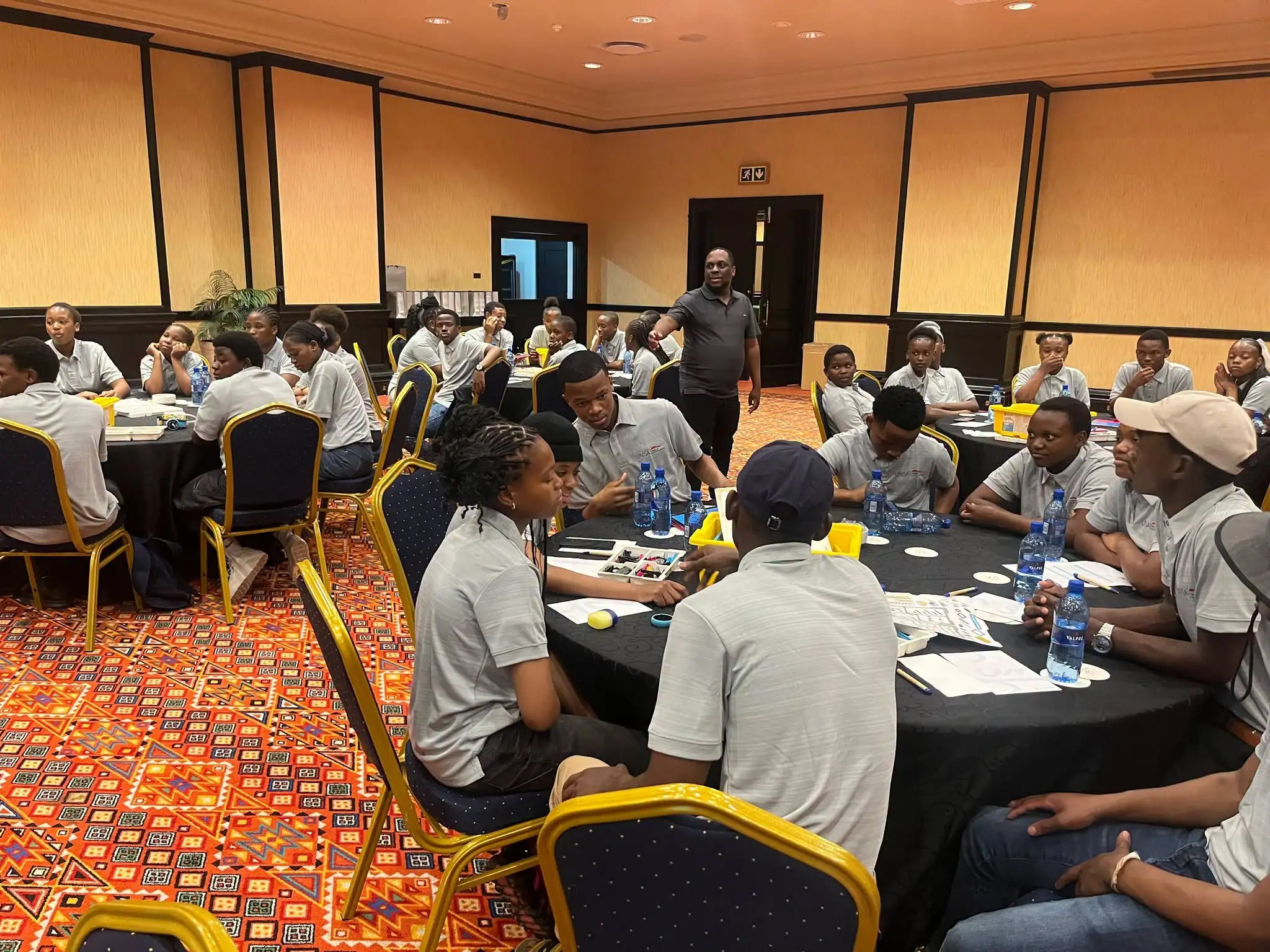
South African students and unemployed graduates interested in banking, finance, accounting and information technology can access skills development opportunities supported by the Banking Sector Education and Training Authority (BANKSETA).
The authority supports education and workplace training in the banking and microfinance industries. However, applying for its funding is not always as simple as completing an online form as an individual.
Some bursary opportunities are managed through public universities and universities of technology, while learnerships and skills programmes are advertised through BANKSETA, employers and recruitment partners.
Understanding these application routes is important, particularly for applicants who want to avoid missing deadlines or submitting their documents to the wrong organisation.
How BANKSETA bursaries work
BANKSETA uses discretionary grant funding to support skills development in the banking and alternative banking sector.
Its higher education bursary projects are intended to help eligible unemployed learners pursue approved qualifications at participating public universities and universities of technology.
In the 2026 funding window for new and continuing unemployed learners, BANKSETA invited eligible public institutions to submit applications for bursary funding on behalf of qualifying students.
The funding covered two groups:
- New students: First-year learners entering an approved programme.
- Continuing students: Unemployed learners progressing into their second, third or final year of study.
The application process was institution-led. BANKSETA’s published guidelines stated that it would communicate directly with eligible institutions rather than accept applications through third parties.
The 2026 funding window closed on 20 November 2026. Students who missed it should monitor the next funding announcement rather than assume that the previous application process remains open.
Which qualifications may qualify?
BANKSETA supports qualifications linked to skills requirements in the banking and alternative banking industries.
Relevant areas can include:
- Banking and financial services.
- Accounting and financial management.
- Economics.
- Information technology.
- Risk management.
- Business analysis.
- Data and technology-related fields.
However, applicants should not assume that every qualification in these fields automatically qualifies for funding. BANKSETA uses approved programmes and sector skills priorities when assessing funding applications.
The institution and the relevant funding-window guidelines should be consulted to confirm which qualifications are eligible.
How to apply for a BANKSETA bursary
Students interested in a higher education bursary should begin with their institution’s financial aid or bursary office.
The process generally involves the following steps:
1. Contact your university’s financial aid office
Ask whether your institution participates in BANKSETA’s bursary funding arrangements and whether it is accepting student details for an upcoming funding application.
If you are already registered, provide your academic information and ask whether continuing students can be considered.
2. Confirm your qualification’s eligibility
Check whether your course appears in the applicable BANKSETA funding guidelines.
Do not rely only on a general list of banking-related qualifications. The approved funding window determines which programmes can be supported.
3. Prepare your supporting documents
Depending on the funding call and institution, you may be asked for:
- A certified copy of your South African ID.
- Matric certificate or school results.
- Latest academic transcript.
- Proof of university registration or admission.
- Proof of household income, where required.
- Other documents specified by the institution.
The exact requirements must be confirmed with the financial aid office.
4. Follow the institution’s submission process
Where the funding window requires an institutional application, the university or university of technology submits the application through BANKSETA’s Information Management System (SIMS).
Students should not submit applications through an unofficial intermediary claiming to represent BANKSETA.
The official SIMS portal is available at:
A separate BANKSETA opportunity: Outstanding study debt
BANKSETA has also announced a separate funding window aimed at helping eligible unemployed young people who completed full qualifications during the 2026 academic year but cannot obtain their certificates because of outstanding institutional debt.
The published opportunity has a closing date of 10 December 2026.
It is intended for public universities, universities of technology and public TVET colleges to apply for funding on behalf of eligible students.
The published student criteria include:
- Being unemployed.
- Being under 35 years old.
- Holding a South African identity document.
- Having successfully completed a full qualification during the 2026 academic year.
- Being unable to obtain the qualification certificate because of outstanding institutional debt.
This is not a general bursary for new students or people who still need funding for future studies. The funding is specifically intended to settle qualifying outstanding study debt.
Students who believe they meet the criteria should contact their institution’s financial aid office or student accounts department immediately.
Official funding-window information:
BANKSETA learnerships: Letsema and Kuyasa
Apart from higher education bursaries, BANKSETA supports youth development programmes that combine learning with workplace exposure.
Two of its recognised programmes are Letsema and Kuyasa.
Letsema Post-Matric Learnership
Letsema is designed for unemployed young people who have completed Matric and want to develop skills for the banking and financial services sector.
BANKSETA’s published programme information describes it as a one-year learnership. Successful participants work towards an NQF Level 5 banking service advice qualification through structured training and workplace experience.
The published eligibility information includes:
- A valid Matric certificate.
- Required English and Mathematics, Mathematical Literacy or Accounting results.
- Unemployed status.
- South African citizenship.
- Being under the specified age limit.
- Not currently participating in another learnership.
- Meeting the programme’s other screening requirements.
The exact subject marks and other requirements must be checked against the recruitment advert for the relevant intake.
Kuyasa Postgraduate Learnership
Kuyasa is aimed at unemployed graduates with a completed three-year tertiary qualification in a relevant field.
BANKSETA lists areas such as:
- Human Resources.
- Risk Management.
- Information Technology.
- Marketing.
- Financial Accounting.
- Financial Management.
- Law.
Its published programme information describes streams in Management Development, Business Analysis and Financial Markets.
Applicants must meet the qualification, age, unemployment and other screening requirements specified for the intake.
When do BANKSETA learnership applications open?
BANKSETA’s official frequently asked questions page states that Letsema and Kuyasa recruitment generally takes place between July and August for programmes starting the following year.
The authority advertises opportunities through its website, national and regional newspapers, social media channels and appointed recruitment partners.
Application forms and detailed requirements become available when the relevant recruitment window opens.
Applicants should therefore avoid relying on old application forms or assuming that a previous year’s intake is still accepting applications.
Check the official pages regularly:
How to find BANKSETA-funded skills programmes
BANKSETA also supports skills programmes, workplace learning and other interventions designed to address skills shortages in the banking and microfinance sector.
Some funding windows are directed at employers, public institutions and accredited training providers rather than individual learners.
For example, BANKSETA’s 2026 strategic projects funding window invited applications from eligible employers, government departments, public entities, universities, TVET colleges and accredited training providers. The categories included skills programmes, AI bursaries and graduate or youth employment transition programmes.
That funding window closed on 17 November 2026.
This distinction matters because an organisation receiving a discretionary grant may later recruit learners or beneficiaries for its approved programme. Individuals should look for the resulting recruitment advert rather than attempt to apply for the organisation’s grant.
What documents should applicants prepare?
Although requirements vary between programmes, it is useful to keep the following documents updated:
- South African ID.
- Matric certificate or statement of results.
- University or TVET academic transcripts.
- Proof of registration or admission, where applicable.
- Updated CV.
- Proof of residence, if requested.
- Supporting documents relating to unemployment or household income, where required.
Always follow the specific advert. Some programmes require additional documents, and certification periods may differ.
Avoid BANKSETA application scams
Applicants should be cautious of people who promise guaranteed bursaries, learnership placements or employment in exchange for payment.
Use BANKSETA’s official website to confirm funding announcements and application procedures.
Do not pay an individual to secure a place in a BANKSETA programme. Verify recruitment partners and training providers before sending personal documents.
BANKSETA’s official contact details include:
- Website: https://bankseta.org.za/
- Email: info@bankseta.org.za
- Telephone: 011 805 9661
The authority also provides a fraud reporting hotline at 0800 204 661.
What applicants should do next
Students seeking university funding should contact their financial aid offices and ask about upcoming BANKSETA bursary submissions.
Unemployed graduates should monitor the official youth programmes page for Letsema, Kuyasa and other recruitment announcements.
People who completed a qualification in 2026 but cannot obtain their certificate because of outstanding institutional debt should contact their public institution about the separate funding window closing on 10 December 2026.
The most important step is to follow the application route stated in the official funding announcement. BANKSETA funding is designed to support skills development, but the application process depends on the type of programme and the organisation responsible for submitting the funding request.
Sources and Verification
- BANKSETA Official Website: Information about the authority’s role in banking and microfinance skills development.
- BANKSETA Higher Education Bursary Funding Window: Confirms the 2026 bursary opportunity for new and continuing unemployed learners and its 20 November 2026 closing date.
- BANKSETA Outstanding Study Debt Funding Window: Confirms the separate institutional funding opportunity closing on 10 December 2026.
- BANKSETA Youth Programmes: Details learnerships, work-integrated learning, bursaries and youth development programmes.
- BANKSETA FAQs: Provides information about Letsema and Kuyasa recruitment periods and eligibility requirements.
- BANKSETA Discretionary Grants: Explains how funding windows are advertised and managed.
Editorial Note
BANKSETA funding arrangements and eligibility requirements can change between funding cycles. The R120,000 annual funding cap and individual allowance breakdown sometimes reported in older bursary information should not be treated as a confirmed entitlement under every funding window. The 2026 higher education bursary window discussed above closed on 20 November 2026, while the outstanding-study-debt opportunity is a separate institutional application process with a 10 December 2026 deadline. Applicants should confirm current requirements directly with BANKSETA and their institutions.
This content was checked and verified by professional auditors and Admin Staff
