
Eastern Cape Learners Forced to Study Under Trees as Dilapidated Classrooms Put Education at Risk

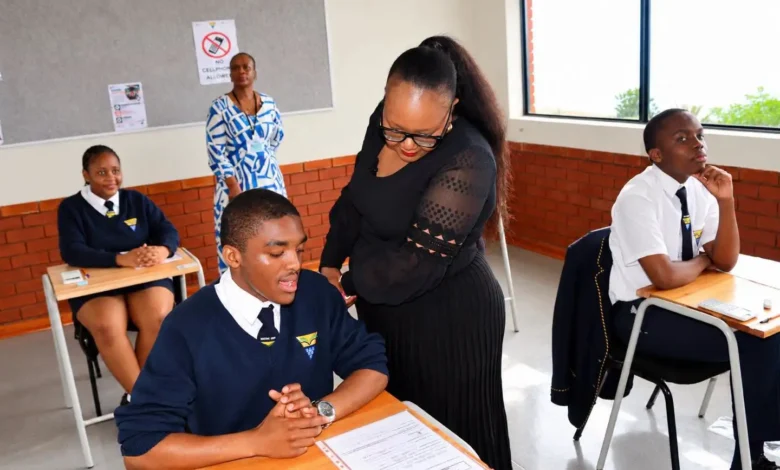
Learners at Mabobothi Senior Secondary School in Centane, Eastern Cape, are reportedly being forced to attend lessons outside under trees because their school buildings are in a deteriorating condition and cannot accommodate the number of pupils.
The situation has raised concerns about the quality of education and safety of learners at the school, where nearly 500 pupils reportedly share just five dilapidated classrooms and an old prefabricated structure.
The infrastructure problems have reportedly persisted for years, leaving learners and teachers to cope with damaged classroom floors, leaking buildings, overcrowding and difficult weather conditions.
For some learners, studying outside has become part of their school experience, even though access to safe and suitable classrooms is essential for effective teaching and learning.
The situation also raises wider questions about school infrastructure backlogs in the Eastern Cape, where several communities have continued to raise concerns about overcrowded classrooms and deteriorating educational facilities.
Eastern Cape School Crisis: Nearly 500 Learners Forced to Study Under Trees as Classrooms Crumble
Learners at Mabobothi Senior Secondary School in Centane, Eastern Cape, are facing difficult learning conditions, with a shortage of classrooms forcing some pupils to study outside under trees.
The situation has raised fresh concerns about deteriorating school infrastructure in the province, where learners and teachers are struggling with overcrowding, damaged buildings and classrooms that are reportedly unsafe for normal teaching activities.
According to an SABC News report published on 13 November 2026, nearly 500 learners at the school share five dilapidated classrooms and an old prefabricated structure. The shortage of suitable teaching space has left some learners exposed to harsh weather conditions while trying to continue with their education. thefuse.co.za


The challenges are particularly concerning for learners who must prepare for examinations while dealing with conditions that make concentration and effective teaching difficult.
The situation also highlights the wider infrastructure problems facing rural schools in the Eastern Cape, where communities continue to call for safer classrooms and improved educational facilities.
More Than 30 Years of Deteriorating School Infrastructure
The problems at Mabobothi Senior Secondary School have reportedly developed over several decades.
One classroom block was destroyed by fire more than 30 years ago and was never replaced. Another building reportedly lost its roof in 2019.
The remaining classrooms are also in poor condition, with damaged wooden floors that have reportedly caused injuries to both learners and teachers.
These infrastructure problems have reduced the amount of usable teaching space available to the school.
With nearly 500 learners sharing the remaining facilities, overcrowding has become a major challenge for the school community.
The situation means some pupils cannot always receive lessons in conventional classroom environments.
Rain and Extreme Heat Make Learning More Difficult
Weather conditions have added another layer of difficulty for learners and educators.
When it rains, classrooms reportedly experience flooding, making it difficult to conduct lessons in a suitable environment.
During periods of extreme heat, some learners are forced to move outside and continue their lessons under trees.
Studying outdoors exposes pupils to direct sunlight and changing weather conditions, which can affect concentration and classroom participation.
The school has also reportedly introduced rotational attendance arrangements to manage the limited classroom space while allowing Grade 12 learners to write their matric examinations without disruption.
For learners preparing for important examinations, consistent access to suitable study facilities is particularly important.
School’s Matric Results Highlight Learners’ Determination
Despite the difficult learning environment, the school has recorded strong matric examination results.
The supplied report highlights a 97.5% National Senior Certificate (NSC) pass rate in 2024 and a reported 2025 pass rate of 91.7%.
However, publicly available school performance data identifies the school as Maboboti Senior Secondary School and records its 2025 matric pass rate as 91.1%, with 51 of 56 candidates passing. The same data confirms the 97.5% result for 2024. School Rank+1
These results demonstrate that learners have continued working towards their academic goals despite the reported infrastructure challenges.
For Grade 12 learners, the availability of safe classrooms and an uninterrupted examination environment remains particularly important.
Parents Appeal for Government Intervention
Parents and the School Governing Body have reportedly raised concerns about the school’s deteriorating infrastructure and the impact on learners.
The community has appealed for assistance after years of concerns about the condition of the buildings and the shortage of suitable classrooms.
The issue has also attracted government attention.
In February 2026, the Department of Land Reform and Rural Development announced that Minister Mzwanele Nyhontso would visit Mabobothi Senior Secondary School as part of the government’s Back-to-School campaign.
The planned visit included assessing the school’s infrastructure, which the government acknowledged needed repairs, and providing essential school supplies. South African Government
According to the SABC report published on 13 November 2026, the Eastern Cape Department of Education indicated that the school was on a rebuilding list and that mobile classrooms and renovations were being pursued as temporary interventions. thefuse.co.za
The outstanding question is when the proposed infrastructure improvements will translate into safe and adequate classrooms for learners.
Another Eastern Cape School Faces Similar Overcrowding
The challenges at Mabobothi Senior Secondary School are not isolated.
In February 2026, GroundUp reported that Grade 10 learners at Dolophini Senior Secondary School in Ngcobo were also being taught outside because the available classrooms could not accommodate all the learners.
The school had 487 learners from Grades 8 to 12 sharing eight classrooms, including five brick classrooms, two prefabricated structures and one mud classroom.
Some learners reportedly experienced headaches and fainting while attending lessons outside in extreme heat.
The school also faced a shortage of desks, with four to five learners sometimes sharing one long wooden desk.
The Eastern Cape Department of Education said Dolophini was included on its 2025 financial year planning list, although it did not provide a timeline for improvements. GroundUp
The two cases highlight the continuing infrastructure difficulties affecting some rural schools in the province.
Why Safe Classrooms Matter for South African Learners
Schools need more than teachers and textbooks to provide quality education. Suitable buildings, adequate classroom space, desks, sanitation and safe learning environments are also essential.
When learners are forced to study outdoors, their ability to concentrate can be affected by heat, rain and other environmental conditions.
Overcrowding can also make it difficult for teachers to provide individual attention and manage classroom activities effectively.
For rural communities, delayed infrastructure improvements can have consequences that extend beyond the classroom, affecting learners’ educational opportunities and future prospects.
The situation at Mabobothi Senior Secondary School therefore raises an important question about how quickly government can address long-standing infrastructure problems at schools that continue serving large numbers of learners.
Sources and Verification
This article draws on the following reports and public information:
- SABC News – Learners at EC school forced to study outside (13 November 2026).
- South African Government – Minister Mzwanele Nyhontso’s planned visit to Mabobothi Senior Secondary School (13 February 2026).
- GroundUp – Learners at this overcrowded school are being taught outside (26 February 2026).
- Maboboti Senior Secondary School – Published matric performance data.
Editorial note: The school’s name appears as Mabobothi in government and news reports and Maboboti in some school performance records. The 2025 matric pass rate is reported as 91.1% in the available school performance data, rather than the 91.7% stated in the supplied summary. The Dolophini school report concerns a separate school and is included only as wider provincial context. The reported government infrastructure interventions should not be interpreted as confirmation that rebuilding has been completed.