
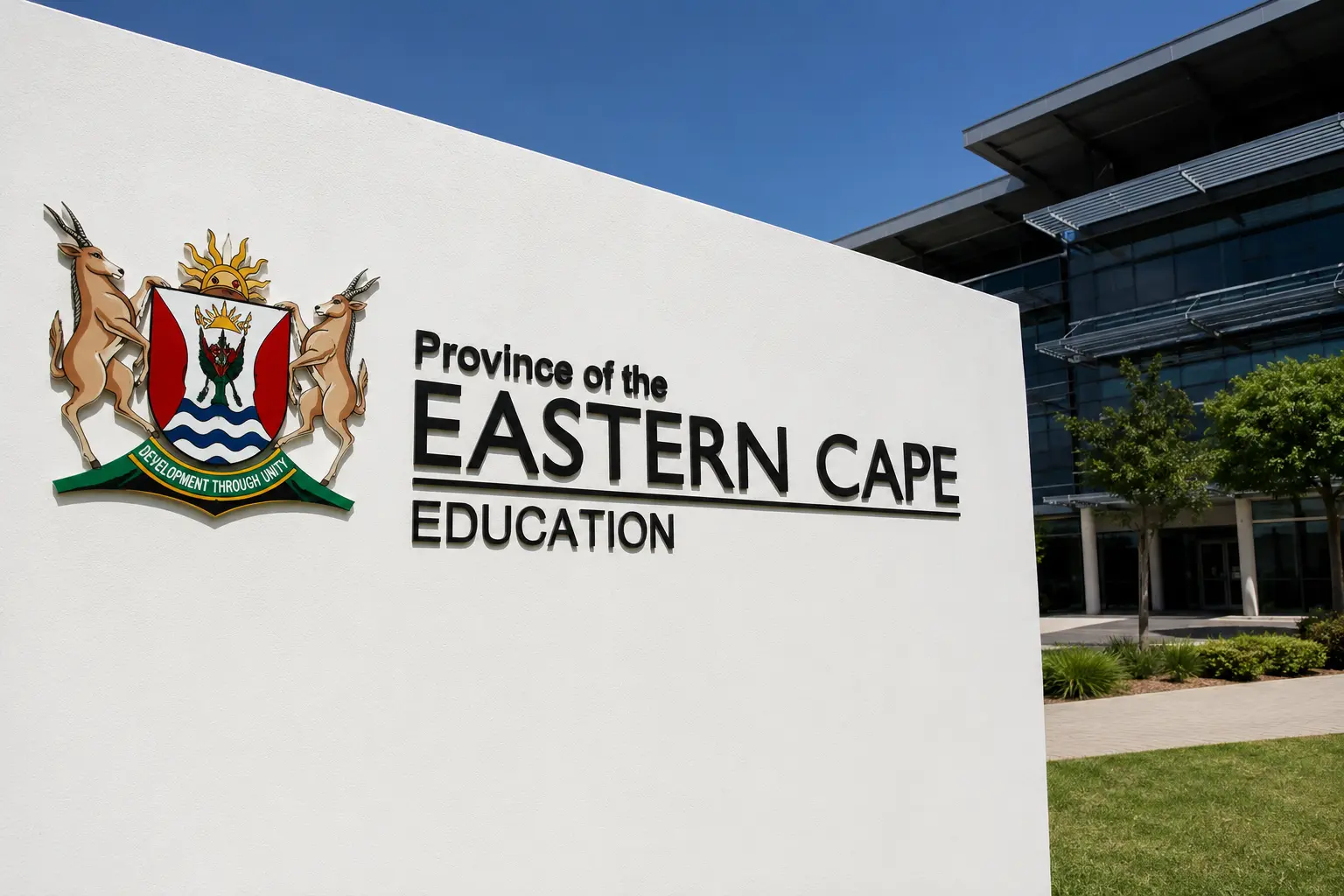
The Eastern Cape Education Department has reportedly failed to fund schools to the extent of the national per learner norms in recent years, with implications for the no-fee schools in the province.
According to reports about the ongoing dispute, the local education department has admitted to underfunding schools below the applicable national standards. This is now the subject of a legal battle between Eastern Cape schools and organisations.
Schools that are no-fee are especially reliant on funding from government as they cannot fundraise in the same way as schools that charge fees.
Schools Received Less Than the National Target
The dispute is about the amount of money allocated to schools per learner.
For no-fee schools, the national target per learner in the latest legal battle is R1,835, compared to R1,101 per learner in the Eastern Cape.
The difference therefore has significant implications for schools that have to rely on their allocations to purchase learning materials and other essentials.
Other years’ provincial budgets also show the Eastern Cape providing below national norms in quintiles 1 to 3, for example, allocating R1,466 per learner in 2020.
Why No-Fee Schools Are Especially Dependent on Funding
No-fee schools tend to be in the poorest communities, who are least able to pay additional school levies.
It is therefore especially important from a financial sustainability perspective that these schools’ needs are met by government.
The impact of reduced funding can be seen in the resources available to purchase things such as:
Textbooks and stationery
School maintenance
Learning materials
Operating expenditure
Goods and services
The implications of less funding are especially severe in disadvantaged and rural communities.
The Funding Dispute Has Reached Court
Eastern Cape schools and the Makhanda Circle of Unity have taken the matter to court.
The matter is about reviewing the education department’s decision to fund schools below the national target, with the applicants requesting that the court declare the decision to be invalid and order a refund of the amounts withheld.
The dispute has relevance to the wider education sector because while provinces may find themselves in situations where they are unable to meet national norms, there are procedures that must be followed which the department must justify. For instance, the matter also hinges on whether the required interdepartmental joint planning process took place.
The Scale of the Problem
The Eastern Cape has the largest number of learners in the country – and the impact of reduced funding is significant.
As indicated in the latest provincial budget speech, the Eastern Cape has around 1.6 million learners who benefit from the no-fee school policy.
That is why even a relatively small shortfall in per learner funding has major implications for the whole province’s education budget.
On a smaller scale, the effects are also seen in the day-to-day realities in schools: can the head of school afford books, and what about maintenance?
A Long Running Funding Problem
This is not the first time the Eastern Cape has struggled to fund its schools, with past annual reports showing similar problems.
For instance, Eastern Cape Education’s 2019/20 report shows that funding was withheld from certain schools for non-compliance, among other things.
However, the current dispute has wider implications as it focuses on the department’s decision to fund schools below national norms over several years.
Why It Matters to Learners
School funding is not merely an administrative or technical matter – the impacts are seen in the learning environment itself.
If schools do not have sufficient resources, principals and councils are forced to make tough decisions about what can and cannot be funded.
For communities that are unable to pay additional levies, it is much harder for schools to raise money, and therefore more reliant on government to meet basic needs. This can increase inequity in the education system.
The Eastern Cape has previously had issues with infrastructure in schools, with the Department of Education having to construct additional classrooms in four schools, after a court ordered it to do so.
What Happens Next?
The dispute will have significance for the education sector as it will determine whether the department’s decisions were in accordance with the law and what the remedies are for any irregularities.
This is important for both the schools and for parents, teachers and councils who want to know what the funding implications are going forward.
The larger debate concerns the education budget, which determines the resources available to schools.
The Eastern Cape dispute is therefore an illustration of how the education budgeting processes work in practice. It shows how the needs of the poorest learners are reflected in the national funding norms, as well as the implications if a province is unable to meet those norms due to budget constraints.
For schools, the dispute highlights the need to adhere to funding guidelines if they want to get the resources necessary to provide a quality education for learners.
