
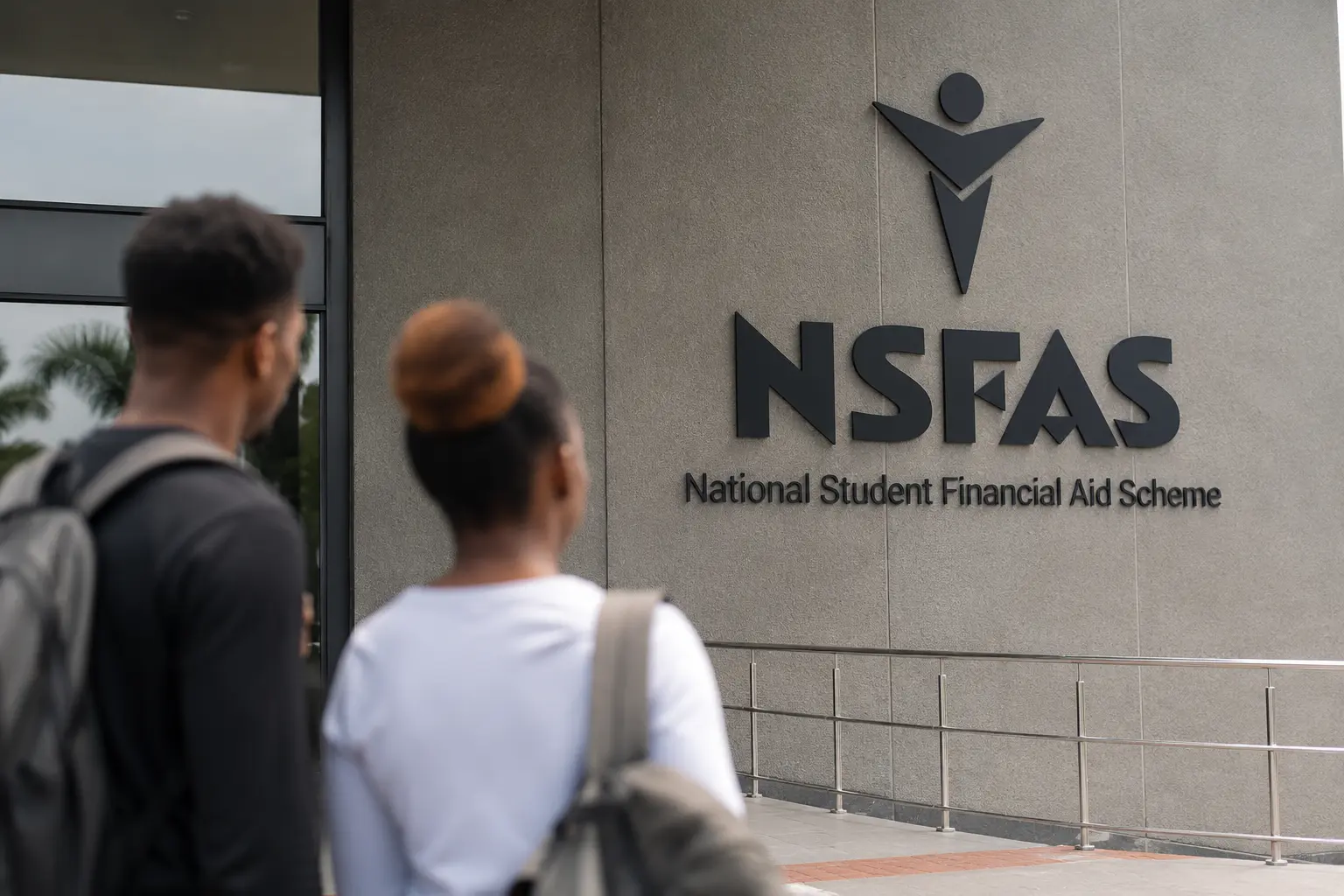
The National Student Financial Aid Scheme (NSFAS) is under new scrutiny after a Public Protector investigation found there were significant governance and administrative issues surrounding the funding of students.
The Public Protector’s report into NSFAS found there were irregularities in the funding of more than 40 000 students at 76 institutions of higher education with funding amountsing to R5,1 billion over several years.
The Public Protector’s investigation into NSFAS is part of a wider inquiry into the governance, administration, delayed funding, technology systems and student support of the organisation.
R5,1 Billlion in Irregular Student Funding
The R5,1 billion in irregular student funding is related to the recent Special Investigating Unit (SIU) investigation into NSFAS.
The SIU investigation found there were more than 40 000 students who were “improperly funded” at 76 different institutions of higher education. In addition, more than R2 billion has so far been recovered from these students.
The Public Protector’s report confirms the concerns raised about NSFAS being able to manage the public funds that it administers on behalf of students that cannot afford to pay their own fees.
However, as the Public Protector notes, just because a student was “improperly funded” does not always mean that they intentionally defrauded NSFAS. The administration process surrounding each student’s funding application is unique and the circumstances differ from case to case.
NSFAS Governance and Administration Issues
Improper funding of students is only part of the Public Protector’s findings. Her report also found that NSFAS has a range of governance and administrative issues that need to be addressed. These issues include:
• governance
• delayed funding
• administration
• coordination
• allowance
• student accommodation
• information technology systems
• student queries
Student Funding Delays and Their Impact
The issues with NSFAS can have a detrimental effect on students.
For example, if a student’s funding application has been denied, they may be unable to:
• register for courses
• pay for accommodation
• claim allowances
• buy study material
• attend classes
• complete their qualification at their institution
For students from low-income families, any disruption to their studies could have a long-term detrimental impact.
Impact on Graduates Who Cannot Get Academic Qualifications
The Public Protector’s findings also relate to students who graduated from institutions but were still unable to get their academic qualifications because NSFAS still had money owed to them.
For example, in one case study, the Public Protector’s office found there were 12 students whose accounts had been underpaid by R601 000 by NSFAS. These students could not get their academic qualifications until the underpayment was resolved.
This kind of issue can affect graduates’ future studies and/or employment prospects, depending on how quickly they are able to resolve the dispute with NSFAS
NSFAS Technology System Challenges
Another matter raised in the Public Protector’s report was around NSFAS’s information technology systems. The Public Protector noted that there were challenges with the integration of NSFAS’s systems with other government systems.
Better integration would see NSFAS more effectively verify information, resulting in fewer administrative errors when determining student eligibility for funding.
Additionally, the Public Protector raised the issue of student queries. If students cannot quickly and easily get queries responded to, even simple administrative errors can result in protracted disputes over funding.
NSFAS Needs to Modernise Its Technology Infrastructure
The Public Protector made several recommendations to NSFAS, including that it modernise its information technology systems and related processes.
Having a better technology framework would see NSFAS more effectively verify information, make funding decisions, engage with students, process allowances and share information with other government departments.
However, technology will only be part of the solution in addressing some of the challenges with NSFAS. There needs to be proper governance structures and accountability to ensure appropriate administration and management of the organisation.
NSFAS Faces Governance Challenges at Parliamentary Committee
The Public Protector’s findings around NSFAS are set to be discussed by Parliament’s finance committee, with calls for an urgent remedial action plan for the organisation.
NSFAS plays a crucial role in ensuring that students are able to access higher education and TVET colleges, given the financial challenges many learners face.
The challenges with NSFAS are, therefore, ones of governance and administration. There is a risk that the organisation will not be able to utilise public funds appropriately, while simultaneously ensuring that deserving students are able to access funding when they need it.
The Importance of the Public Protector’s Findings
NSFAS plays a critical role in supporting students in accessing higher education and TVET colleges. If these students cannot access the organisation’s funding and support services, it can have a detrimental effect on their education and future employment prospects.
The Public Protector’s findings therefore highlight the concerns regarding NSFAS’s governance and administration capabilities.
These issues need to be addressed to ensure that students are able to access the funding and support they need to complete their studies.
What Students Need To Know About NSFAS Funding Issues
Students who rely on NSFAS to fund their studies should ensure that they utilise the organisation’s communication channels to check their funding status.
Students should also ensure that they retain records of any applications, appeals, registrations and correspondence with NSFAS and their institution, as well as any documents relating to allowances and any supporting documents.
All of this documentation will be necessary if they need to challenge any funding irregularities with NSFAS.
The Challenge of Ensuring Access To Higher Education
The NSFAS governance and administration issues illustrate some of the challenges with providing equitable post-school education in South Africa.
While merely increasing funding amounts may see more students being able to access higher education, expanding access requires a more holistic approach. This includes ensuring there are appropriate systems in place to ensure that the administration process for student funding applications is timely and efficient.
The R5,1 billion in irregular student funding is only part of a bigger story about ensuring that South Africa’s post-school education system is appropriately governed and administered.
For students and their families, it remains to be seen how effective NSFAS will be in terms of providing equitable and timely funding to students who need it.
